
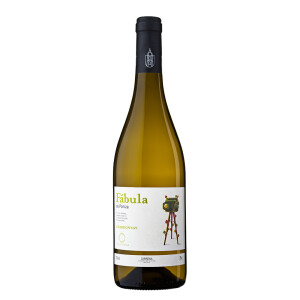


The Chardonnay wine grape, like the rest of white varieties, is suitable for cultivation in regions with colder climates than inks, allowing wines with a multitude of different nuances depending on the area and the altitude to which the vineyards are located. For example, the colder the weather conditions are, more fresh fruit tastes we will found; like apples, pears or green plums. Whilst in the warmer climates, its nuances are citrus and reminiscent of tropical fruits and nuts.
This Chardonnay grape variety, is very versatile, which is one of the reasons for its success, as proven by its widespread use. It is, for example, the most used grape for the production of sparkling wines like Cava Wineor Champagne; and in turn, is considered a “grape of passage” in new wineries that want to make their way into the market, thanks to its easy marketing.
The vine of Chardonnay wine grape variety, flowers in June with a yellow and green leaf. The vines are very resistant and adapt very well to any soil. At the same time, their high fertility favours their productivity, which together with their low yields, produce fruits, usually of very good quality.
The Chadonnay grapes has a small grain, uniform and with shades of old gold. The detachment of the grape is complicated when it comes to harvesting, its skins are thick and its pulp is soft and juicy.
Chardonnay Wine Taste and Aroma
The Chardonnay wine grape variety which we grow in the vineyards of Paniza, has an aroma that reminds us of hazelnuts. With a relevant acidity, fruity notes of pineapple, mango and melon can be easily found, while spicy aromas and vanilla are also produced.


